
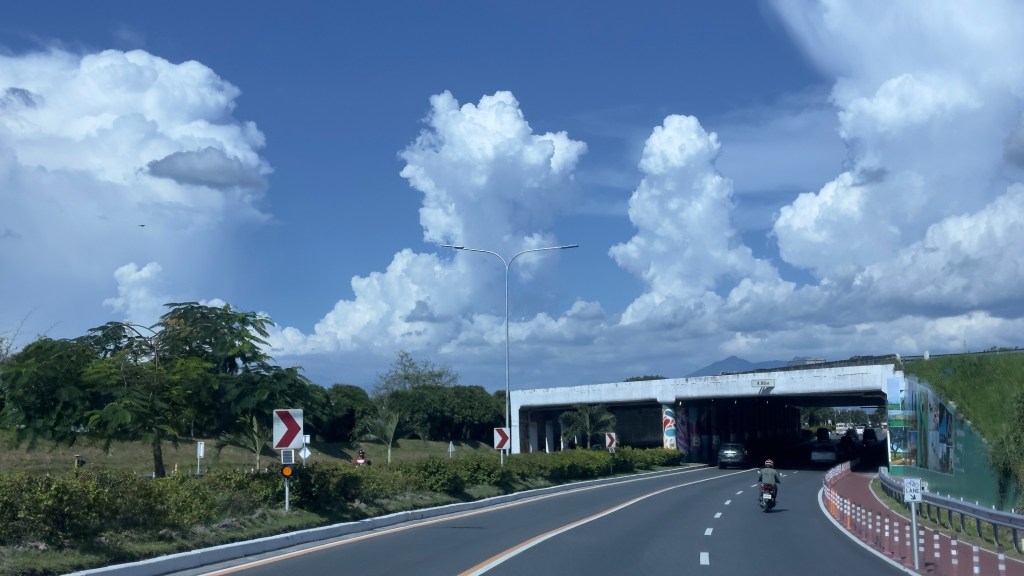
Marco (not his real name) was my rental-car driver when I first met him in the Philippines.
I did not expect us to become friends.
I needed a car, he was the driver, and that could easily have been the end of the story.
But when you spend enough time in a car with someone, you talk. We talked about where we were going, what to eat, Korea, the Philippines, and whatever else came up on the road.
After a few trips, we started eating together. Sometimes we had a drink. When I returned to the Philippines, I would contact him again.
At some point, he stopped feeling like “my driver.” He had become a younger local friend I was genuinely happy to see.
Another Friend Started as a Friend of a Friend
Daniel (also not his real name) came into my life differently.
A Korean friend of mine knew local people in the Philippines, and Daniel was one of them. We first met casually, over food and drinks, while I was still visiting the country as a traveler.
At first, he was simply “my friend’s friend.”
Then we met again. We talked more. Eventually, there was no need for the Korean friend in the middle. Daniel and I could contact each other directly.
That was something I noticed several times in the Philippines. In my own experience, the distance between “someone I was introduced to” and “someone I know personally” sometimes disappeared faster than I was used to in Korea.
I do not mean that as a rule about every Filipino or every Korean. It was simply what happened in the relationships I formed there.
I Had No Idea I Would Later Live There
When I first met Marco and Daniel, I was a visitor.
I was not trying to build a local network. I was not looking for business contacts. I had no reason to calculate what these relationships might be useful for later.
We just met, ate, drank, talked, and stayed in touch.
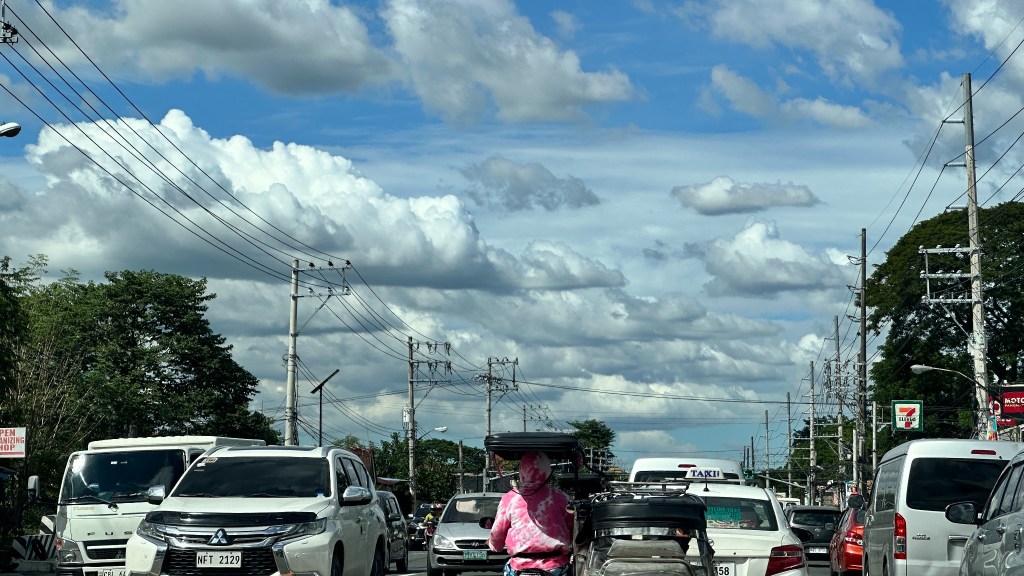
Later, my situation changed.
I ended up living for a while around Angeles City and started a small business there.
Suddenly, I was no longer asking tourist questions.
I needed to understand places, people, local ways of doing things, and practical details that no travel guide could solve for me.
Then the People I Already Knew Started Helping
Marco introduced me to a relative who helped with work on the space I was preparing.
That was a strange moment when I thought about how we had first met.
The person who had once simply been the driver of a rental car was now connecting me to his own family because I needed help with something real.
Daniel’s side was similar.
His family and relatives helped me look at possible locations. Later, they even helped me look at another place when I was considering expanding what I was doing.
For someone trying to do something in a country that is not his own, this kind of help is difficult to measure.
Money can pay for a service.
But money does not automatically tell you whom to ask, whom to trust, or who will take the time to look at something with you because they actually care whether it works out.
“We Are Friends.”
At one point, I felt uncomfortable receiving so much help without giving anything back.
So I tried to give them some money as a thank-you.
They would not take it.
“We are friends.”
That short sentence stayed with me.
From my Korean point of view, offering something in return felt natural. They had spent time helping me, introducing people, and looking into things with me. I did not want to treat that effort as something I was simply entitled to receive.
But their answer made the relationship clear in a different way.
They were not helping because I was a customer. They were helping because, in their eyes, I was their friend.
This Wasn’t Networking
People often say that local connections are important when you live or do business abroad.
That is true, but “networking” is not how I remember this story.
I did not meet Marco because I needed someone who knew contractors.
I did not meet Daniel because I needed someone who could help me find a location.
The relationships came first.
The practical help came much later.
That order matters to me.
If I had gone to the Philippines specifically looking for useful contacts, perhaps I would have built a network.
Instead, I met people while I was traveling. Some of them became friends. And when I later found myself trying to build an everyday life there, those friends were already beside me.
The Messages Still Come
That part of my life is in the past, but not all of the relationships are.
Every now and then, one of those friends still contacts me. Sometimes he asks for help translating something into Korean or English.
Sometimes the message is much simpler:
“Brother, when are you coming?”
It is a small message, but it brings back an entire period of my life.
A rental-car driver who stopped being just a driver.
A friend of a friend who became my own friend.
People who later introduced their families and helped me when I was trying to find my feet in a country that was not my own.
The Philippines I Remember Is Mostly People
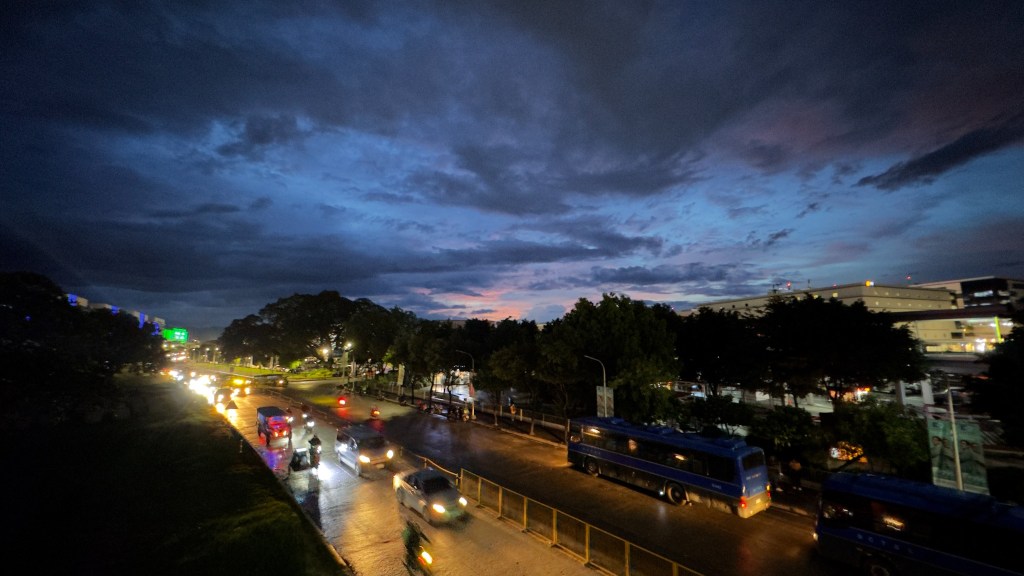
There are plenty of things I remember about the Philippines: the weather, food, golf, traffic, late nights, and the huge skies that can change in a few minutes.
But after actually living there for a while, those are not the first things that come back to me.
I remember people.
I did not move to the Philippines and then go looking for people who could help me.
I met people first. They became friends. And later, those friends helped me build a life in a place that had once been only somewhere I visited.
Maybe that is why, when I think about the Philippines now, I often remember faces before I remember places.
Have you ever lived somewhere where a casual acquaintance unexpectedly became an important friend? Leave a comment below. If I know the answer to your questions about Korea or my experiences abroad, I’ll be happy to help when I have time.


Leave a comment