
Korean Culture
-
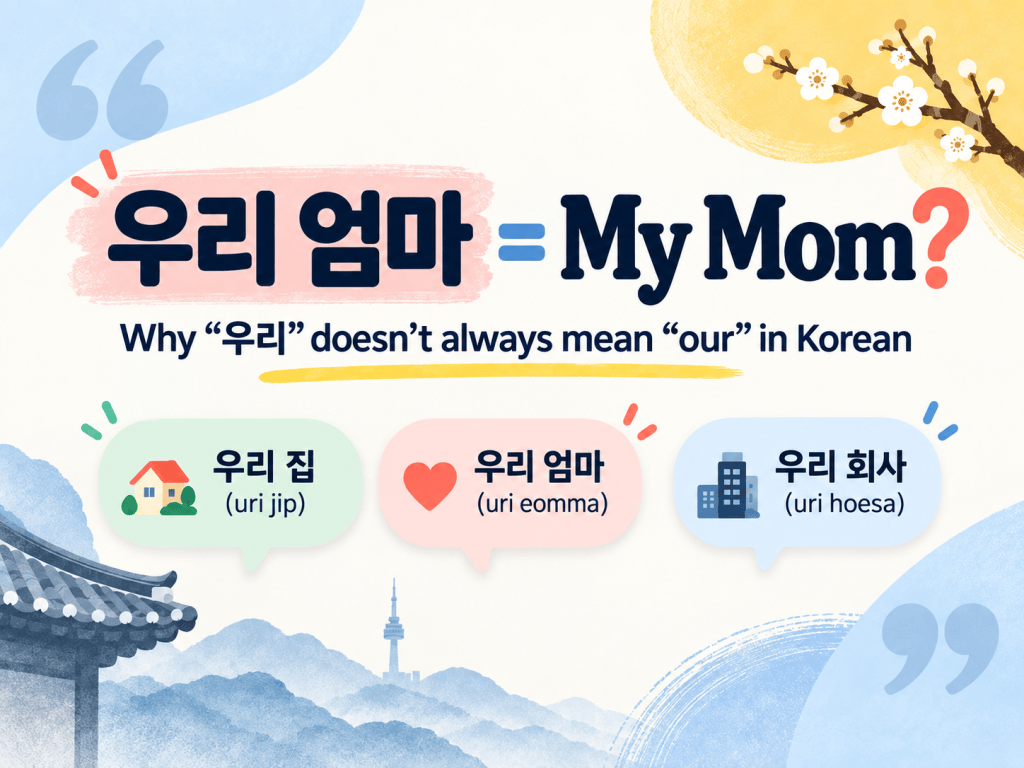
Why does 우리 엄마 mean “my mom”? A Korean explains how uri works in real life — from 우리 집 and 너희 엄마 to the famous “우리 애” line in Misaeng.
-

Why do Koreans give sticky candy before exams, avoid seaweed soup, or hand someone a fork for good luck? Some Korean superstitions make much more sense once you understand the words behind them.
-

What does G-DRAGON’s “BLACK” mean? Explore its color imagery, Korean wordplay, and the love, resentment, and regret within a damaged relationship.
-

Tipping is not expected in Korea, but that does not mean Koreans never give extra money. Here is when we sometimes do — and why it feels different from tipping in the U.S.
-
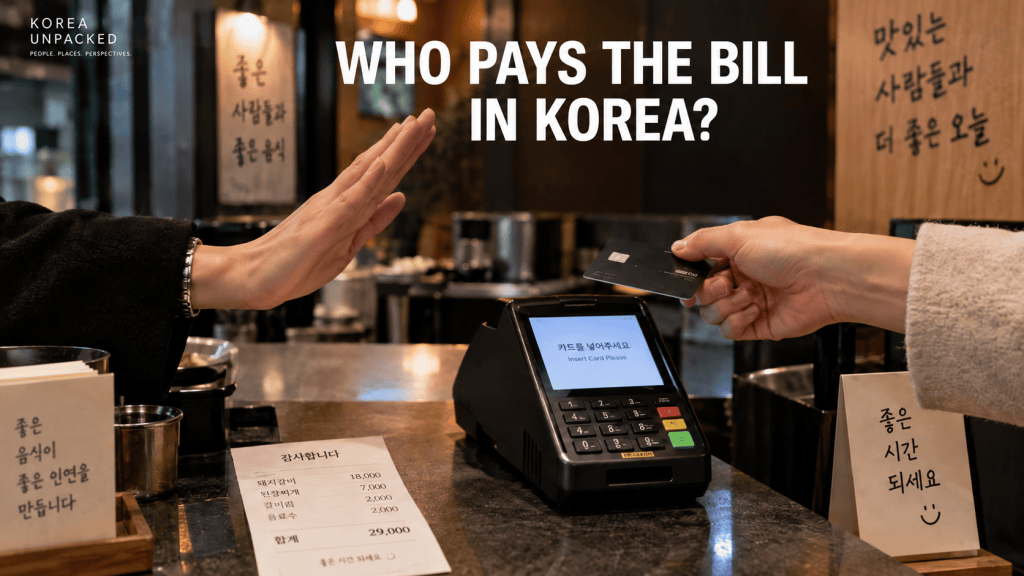
Who pays when Koreans eat or drink together? Age, rank, relationships, and generation can all change the answer. Here’s how the culture worked for me — and how it is changing.
-

Koreans are taught manners from childhood. So why do so many people let the door close on someone right behind them? A Korean perspective on why the answer is more complicated than simple rudeness.
-
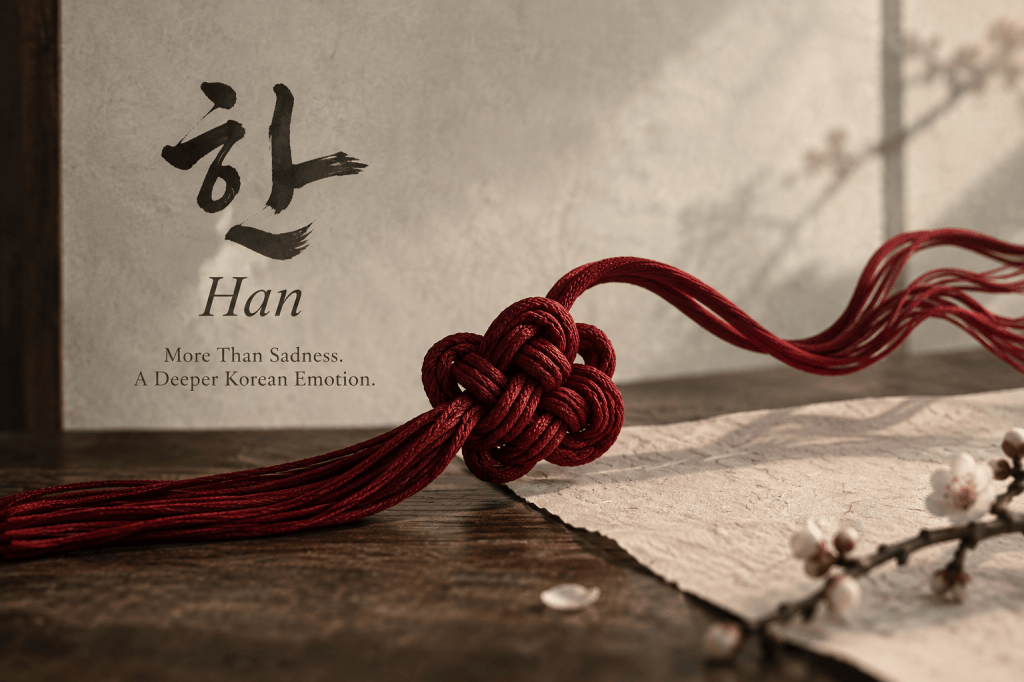
Han (한) is often translated as sadness, grief, or resentment, but none of those words fully explain it. A Korean perspective on loss, eogulham, determination, revenge, and what it means to finally “release” han.
-

Why did BTS choose ARIRANG for their comeback album? A Korean perspective on the meaning of Arirang, BTS’s Korean roots, han and heung, and why this old folk tradition is still changing today.
-
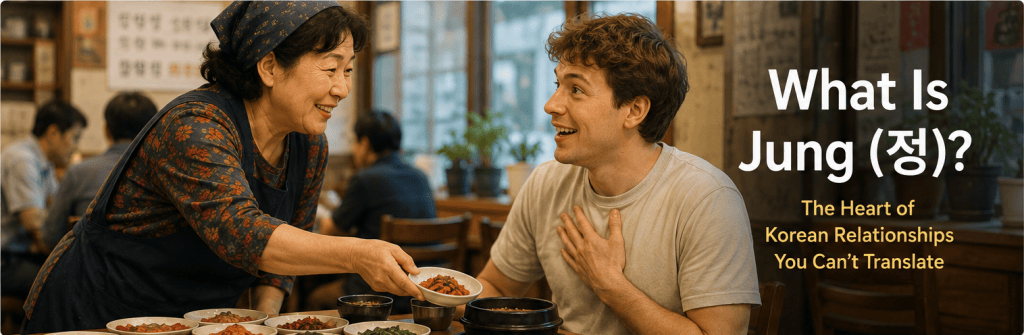
What does jung (정) really mean? A Korean explains this hard-to-translate feeling through everyday relationships, food, familiarity, and the small ways Koreans show they care.

